Script Lab origins and queer storytelling on screen
Published:
21 Apr 2026
Clodagh Chapman brought Uncool to our 2022 Script Lab as a loose idea, and from that early spark it has grown into a bold, genre-bending short – queer history with contemporary bite.
Now in post-production, thanks in part to the BFI NETWORK Short Film Fund, the film marks a major new chapter in the Clodagh’s filmmaking journey. We caught up with the writer/director to talk Script Lab, creative ambition, and the importance of joyful, nuanced queer representation on screen.
Clodagh Chapman is a writer and director based in Manchester. As a playwright, her work has been longlisted for the Bruntwood Prize for Playwriting, Theatre503 International Award for Playwriting and Papatango New Writing Prize. In film, her debut short played in BAFTA-qualifying festivals worldwide, and she is currently in post-production on her next short, Uncool (BFI NETWORK). Clodagh is a BAFTA Connect member, and was a Semi-Finalist for BBC Comedy Collective 2025.
Can you tell us a bit about Uncool and how it developed through our 2022 Script Lab?
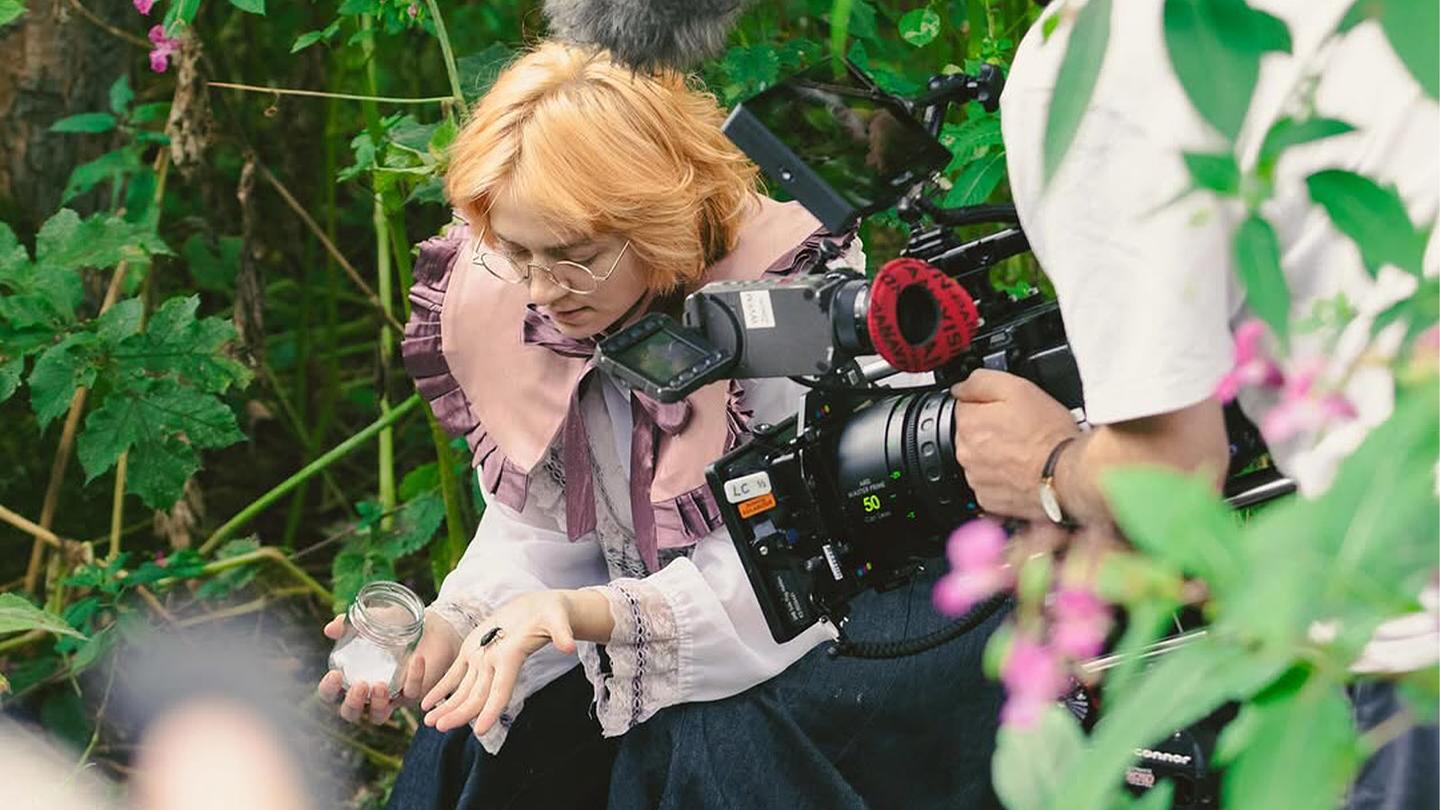
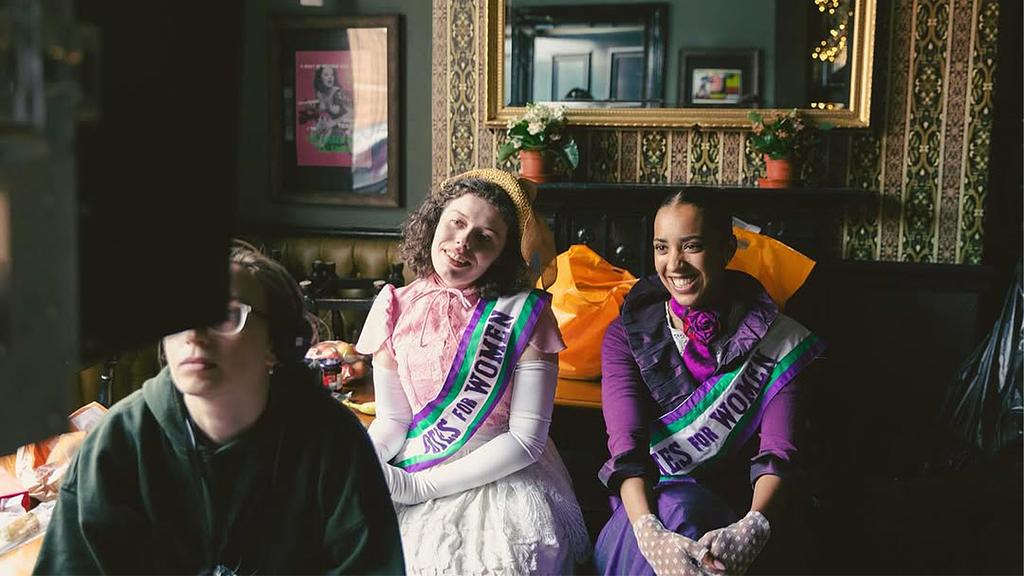
Uncool is a short film set in 1909, following 28-year-old Martha, whose world is blown open with the arrival of a gang of suffragettes to her tiny village in Lancashire. Initially I came to Script Lab with a loose outline for Uncool, which I developed into a fuller treatment and then a second or third draft over the course of the programme. In particular, the programme helped me to nail down a fuller story and arc from an initial sketch, including doing a bunch of contextual research, and learning a lot about writing for film – which was really useful, coming from a theatre background. All this helped ready the script to apply for BFI NETWORK funding, and the rest is history!
Are there any lessons or insights from Script Lab that still influence how you work today?
One of the best parts of Script Lab was working with Roger Hyams: a brilliant, thoughtful and attentive script editor, with lots of sage wisdom. At one point, there was a draft of Uncool which was far sillier and more anachronistic – lots of characters in sunglasses, dialogue peppered with the word “yeah” – and Roger’s advice was that the skill of the short would be writing something which felt really contemporary, whilst being totally at home in 1909. This is something I think about a lot in my writing now: what is the skill of the piece, or the secret little game you’re playing with yourself?
It was also a real delight to work alongside so many other brilliant writers – it’s been lovely to see our careers develop in parallel over the past four years.
Looking at your past work, what feels new or different for you creatively in Uncool?
Uncool is my second short film, after a very DIY first foray into screen with my debut short. For me, Uncool represents a big step-up in creative ambition and scale, especially relative to that first short, including working with lots of brilliant artists to make a period setting feel like 2026. It also marks a more confident experimentation with tone, balancing moments of real earnestness with some very silly gags. Hopefully, it’s a film which is unabashedly itself, and we’re lucky that the brilliant team at Film Hub North have really championed Uncool right from the start of Script Lab, and put a huge amount of trust in what is really quite a left-field idea.
Do you have any advice for playwrights looking to shift into filmmaking?
Firstly, to trust your existing skillset! Whilst film is obviously its own, distinct medium with lots of specific considerations, there are lots of ideas which are transferable from theatre, and lots of ways in which theatre is a brilliant training ground for screenwriters.
There is an adage that playwriting is a textual medium and screenwriting is a visual one, but in my experience, playwrights are often brilliant at dreaming up vivid, exciting images. Film really lets you lean into that part of your playwright-brain – the part which is wrapped up around tone and visuals and world.
This said, all the usual screenwriting advice applies: lean into the visual, and trust your audience. And if you’re a writer/director, surround yourself with a brilliant team who know more about film than you!
Also to watch films, and watch widely! As well as writing and directing, I’ve done various film programming jobs, most recently for Sheffield DocFest. I’ve found that writing about films, or needing to articulate what resonates and what doesn’t – especially where the film is totally different to anything you’d ever make – gives you a much stronger understanding of how films work.
Historical queer stories are still relatively rare on screen, and this film contributes to that representation. What do you hope audiences take away after watching it?
Hopefully, a lot of joy! With Uncool, above everything else, I really wanted to give queer female characters a nuanced and genre-bending story, where the genre doesn’t turn the story into a tragedy of circumstance, which still feels like something that is missing from the period space. Uncool plays with lots of distinctly ‘00s reference points, for the queer women who grew up with Angus, Thongs and Perfect Snogging and the 2005 BBC Pride & Prejudice, for instance.
Within the LGBTQ+ community, I think we’re seeing a sort of archive fever, where period pieces and queer histories seem to be having a bit of a collective moment, and I’m always excited by work which thinks critically about how we imagine a historic queer story. There are a handful of really exciting shorts on the festival circuit which play with similar ideas, and I’m excited to add something to that conversation.
I hope Uncool has struck a balance of feeling true to the period, whilst also feeling very much like a 2026 story, and presenting a slightly more optimistic version of what life might have looked like for Martha – all the while, making some fairly big swings in style and tone!
What’s next for this project and you as a filmmaker?
Uncool is currently in the very final stages of post, and we’re beginning to submit to festivals – so, hopefully, it will be hitting the festival circuit shortly! In the meantime, we were lucky enough to be selected to be part of the latest BAFTA Albert campaign, Putting Nature in the Picture. You can read a little bit about Uncool via their guide, and catch a tiny snippet of Uncool via their newly-commissioned campaign film.
As a filmmaker, I’d love to make a bigger short, maybe playing more explicitly with genre, and leaning more fully into comedy. I’m also brewing ideas for a first feature, and I would love to take on some more work in TV too.