On producing with purpose and authentic storytelling
Published:
15 Jul 2026
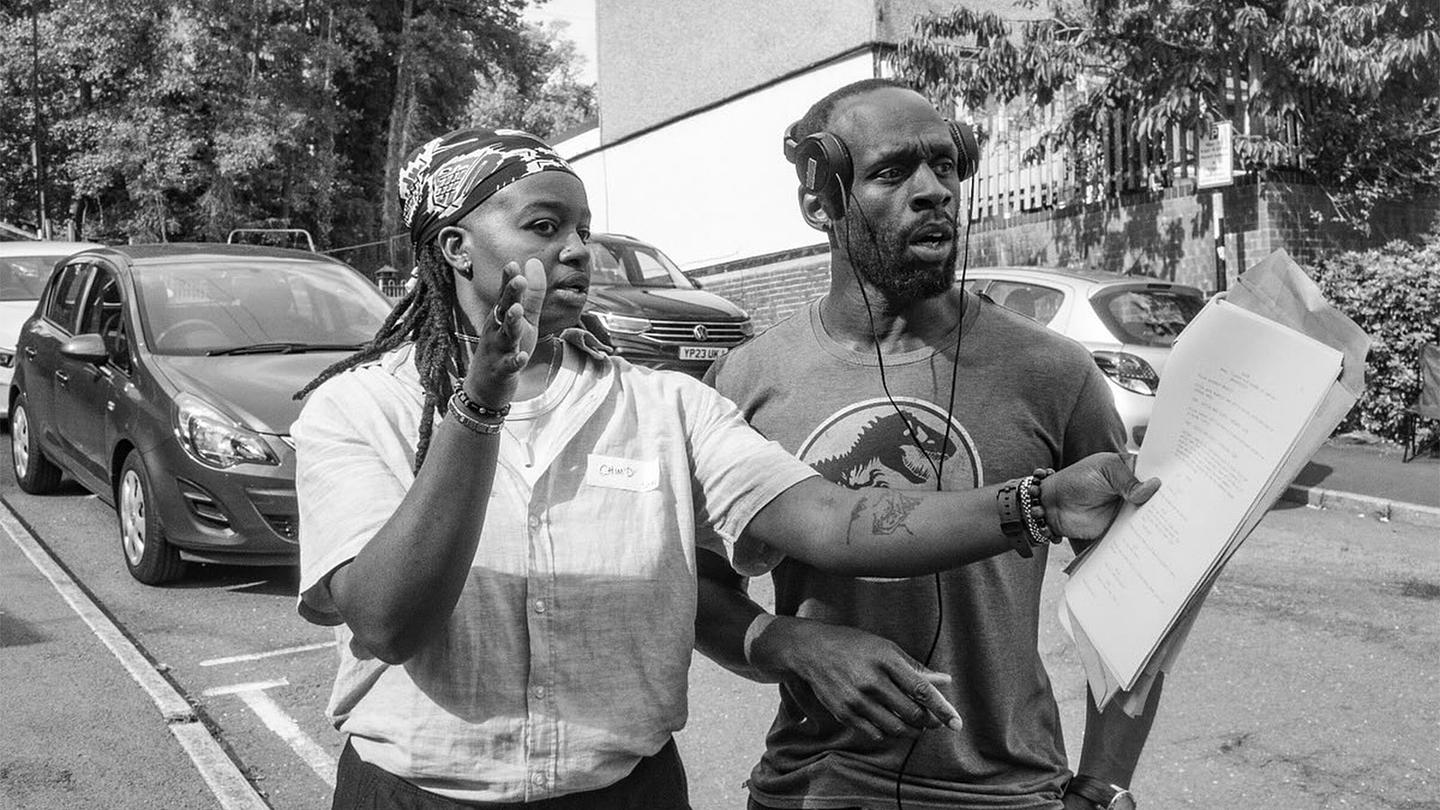
From producing acclaimed documentaries to bold scripted work, Chim'Di Ugada has built a career around bringing authentic, underrepresented stories to the screen.
Alongside developing her latest documentary exploring womanhood in Igboland, Chim'Di is in pre-production on This Flag – a BFI NETWORK Short Film Fund funded short which examines tensions surrounding race and identity in Britain.
As the deadline for In Development: Producer Lab – our annual development scheme for emerging producers – approaches, we caught up with Chim'Di to talk about her journey into producing, the lessons she's learned moving between documentary and fiction, and why building community – both on and off screen – is at the heart of everything she does.
Chim’Di Ugada (she/her) is a Nigerian-born multimedia artist and creative producer with a strong track record in unscripted content. An alumna of the BFI Network’s Creative Producer Lab 2023, she is passionate about telling authentic, culturally resonant stories that amplify underrepresented voices.
Within three years with Sheffield DocFest, Chim’Di has produced 18 short documentaries for the prestigious Filmmaker Challenge Programme, working under the mentorship of Oscar-winning directors Kevin MacDonald, Julie Cohen, and Waad Al-Kateab. She is currently directing her third documentary, which explores themes surrounding culture, womanhood, and family in Igboland (Nigeria), this work reflects her identity, heritage and lived experience.
She is also producing her first BFI funded short film, This Flag, and Little Pictures short animation, Toad Test.
What first drew you to producing, and what do you enjoy most about the role?
Producing plays to my strengths. In 2019, when I made my first documentary Feel the Beat: Blackpool’s Young Artist, the experience shaped the way I now work with artists, crew and collaborators. I’m a natural problem solver, am daring, and love thinking creatively to bring ideas to life.
One of the most rewarding parts of my work is working closely with a writer/director/editor/contributor to shape a story from idea to screen. It’s critical to building the right team around a project.
Producing requires commitment, collaboration, and advocating for the best interest of the story, and the more invested I become in a production, the more fulfilling the process is.
You were part of our Creative Producer Lab in 2023. What impact did the programme have on your development as a producer?
I knew I loved producing, but I wanted a deeper understanding of the role and the responsibilities that come with it. The programme broke down every stage of the producing process, from hearing directly from industry professionals to exploring production documents, and learning the planning and organisation behind successful productions.
Beyond the practical knowledge, the biggest impact was the community. I built a network of fellow producers that I still rely on today. Having people who understand the challenges of the role and who continue to support and encourage one another has been invaluable.
For those interested in producing, what skills or qualities do you think are most important to develop early on?
Learning how to manage expectations and build strong relationships is essential. Outside the production, producing is all about working with people, so developing a reliable network and understanding the value of every role within a production will make you a stronger collaborator and leader. I learnt this when producing my documentary, Our Lift Off in 2023.
What was it about This Flag that made you want to get involved with the project?
What drew me to This Flag was the honesty of writer-director Kemi-Bo Jacobs and her openness to developing the script collaboratively. The story explores identity, belonging, and the uncertainty that can exist even within familiar spaces. It felt universally relatable and I empathised with the lead character, Mary Dearlove, and I wanted to help bring that vision to life.
You’ve worked across documentary and fiction. What was it like moving into scripted storytelling, and does anything from your documentary background influence how you approach fiction?
The transition felt quite natural because I’d already worked in scripted productions (such as Weave 2023, Somewhere 2024) as an assistant director and assistant producer (Post 2024).
However, lead producing a scripted project showed me just how complex the role can be.
In documentary, I’m used to working with small teams where everyone wears multiple hats and productions evolve as you go. Scripted filmmaking is much more intentional, with detailed planning and larger teams involved at every stage. I had to be even more adaptable and flexible at the ever-changing nature of film production whilst still maintaining the integrity of the story. I’m incredibly grateful to the people around me who offered advice and encouragement throughout the process.
At the same time, my documentary experience carried me through much of the production. From assembling the right team to managing tight budgets, often one of the biggest challenges of producing, I’ve learned how to be resourceful, make the most of limited resources, and find creative solutions. Documentary remains the heartbeat of my work, and it’s the foundation that has shaped me as a producer.
What kinds of stories excite you most as a producer?
I’m drawn to stories with emotional depth, grounded characters, and the extraordinary moments that exist within ordinary life.
Just like my documentaries, I love stories that find complexity, humour, and humanity in seemingly mundane situations.
What’s next for you?
I’m currently developing my third documentary, set in Enugu State, which explores the Igbo women’s conference known as the August Meeting. The film looks at how this long-standing tradition brings women together, strengthens community, and inspires collective action and leadership across generations.
In Development: Producer Lab
In Development: Producer Lab is designed to kickstart careers in producing and help participants develop the skills they need to produce a successful short film. Producers attend an in-person 2 day residential in Manchester, learning producing fundamentals, building a slate, budgeting and more from industry professionals.
The programme is open to anyone based in the North of England with an interest in film producing.